
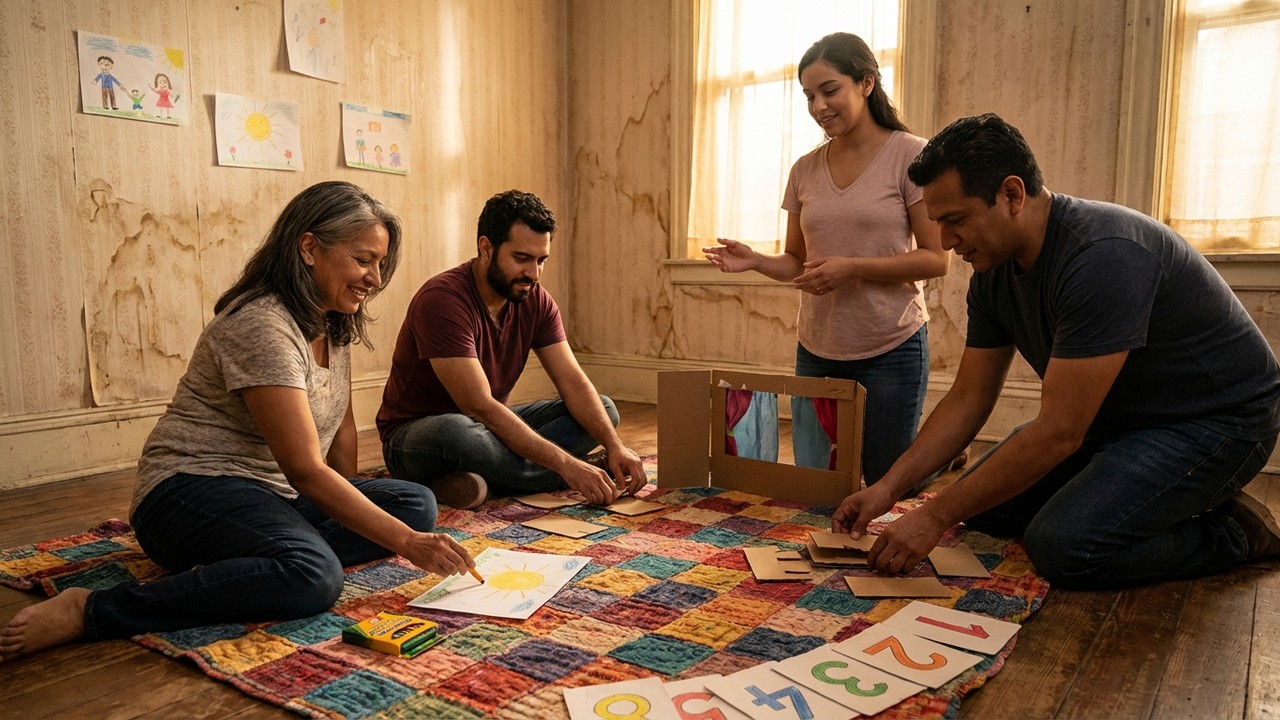
When the floods came, Amina turned her living room into a classroom with a blanket, a box of crayons and songs she remembered from childhood. Her five-year-old began counting, drawing and telling stories again — and with each small triumph, hope returned.
Why early care and family engagement matter
Early childhood development shapes lifelong outcomes. Globally, millions of young children face risks to their development from poverty, malnutrition and crisis. The UNICEF and partners stress that nurturing care in the early years is foundational for health, learning and resilience. The WHO Nurturing Care Framework outlines how responsive caregiving, early learning and safety protect children’s future.
What the research says
Evidence is clear: social-emotional learning and family engagement improve outcomes. Meta-analyses summarized by CASEL show programs teaching emotional skills can raise achievement and classroom behavior. The World Bank highlights that investments in early development deliver some of the highest returns in education and health.
"When families are equipped to play, talk and problem-solve with their children, resilience grows faster than any curriculum."
Nonprofits turning ideas into impact
Organizations are bringing these lessons to communities. Save the Children runs programs that combine nutrition, early learning and parental support in crisis zones. Sesame Workshop creates trauma-informed resources for caregivers and children facing displacement. Room to Read and other groups build literacy and life-skills programs that help older children catch up and plan for work and adulthood.
Practical steps families and communities can take
You do not need a textbook or a school to start building resilience and skills. Small practices make big differences:
- Play and talk: Narrate daily tasks, tell stories and ask questions to strengthen language and thinking.
- Creative learning: Use household objects for counting, drawing and role play to spark curiosity.
- Emotional coaching: Name feelings, model coping and celebrate efforts not just results.
- Life skills: Teach simple responsibilities and decision-making through chores and games.
Be part of the solution
If you want to act today, consider these steps: support proven nonprofits like Save the Children or Sesame Workshop, share free resources such as Khan Academy Kids with caregivers, or advocate for local early childhood programs through your school or community centers.
Hope is built in small, steady acts. When families are supported, children not only recover from setbacks — they thrive. Join the movement to prioritize early development, family engagement and life skills so every child can grow with confidence.
Action ideas:
- Donate or volunteer with a trusted organization: Save the Children, Sesame Workshop, Room to Read.
- Share a daily 10-minute play routine with a parent or caregiver.
- Ask your local schools to adopt social-emotional learning practices from CASEL.
Every child like Amina's can have a blanket, a crayon and an adult who believes in them. That is where resilience, creative learning and life skills begin.