In the heart of every thriving society lies the essential fabric of family and community support. Together, they form the foundation where children develop not only intellectually but emotionally and socially, crafting the life skills needed to navigate the complexities of the world ahead.
The Power of Family Engagement
Imagine a young girl named Maya, whose parents actively engage with her schooling, attend parent-teacher meetings, and spend evenings helping her explore her interests. Studies have consistently shown that such family involvement dramatically improves a child’s academic performance and emotional well-being. According to the National Center for Education Statistics, children with involved parents are more likely to earn higher grades and attend college (NCES, 2012).
Yet, family engagement goes far beyond academics. It fosters emotional resilience and motivation in children, nurturing their confidence and curiosity. Non-profits like The National Parent Helpline provide vital resources and counseling to empower families, especially under stress or crisis, strengthening their ability to support child development.
Community Support: The External Backbone
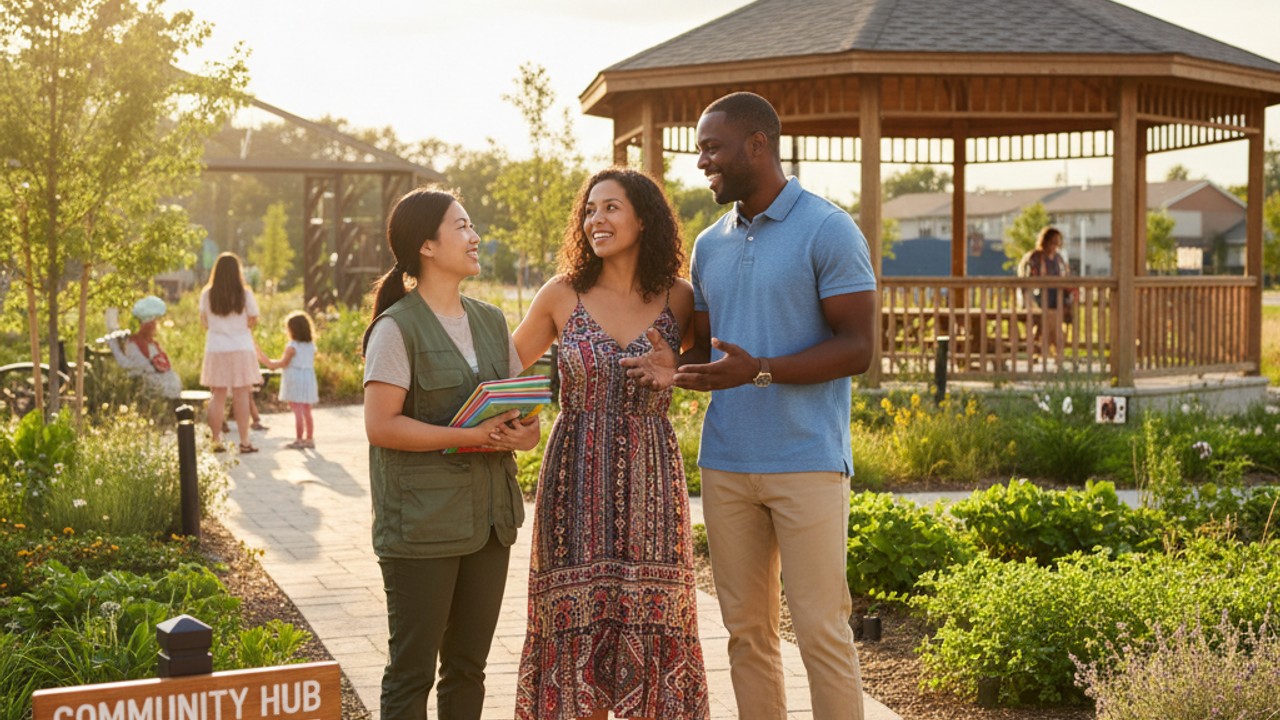
Parallel to family engagement, community support acts as a powerful external pillar. Community centers, after-school programs, and local mentorship initiatives fill critical gaps, particularly in underserved neighborhoods. These programs foster safe spaces where children can acquire life skills such as communication, problem-solving, and teamwork.
Take for example the organization Boys & Girls Clubs of America, which serves nearly 4 million young people annually with programs designed to inspire and equip them for success. Their impact can be seen in reduced dropout rates and increased job readiness among youth participants (BGCA Programs).
Why Life Skills Matter Now More Than Ever
In today’s rapidly evolving world, technical knowledge alone can’t guarantee success. Life skills such as emotional intelligence, financial literacy, and adaptability are crucial. The World Economic Forum highlights that by 2025, skills like creativity, critical thinking, and resilience will be among the top abilities needed in the workforce (WEF, 2020).
Programs that blend child development with life skills development are essential. Camp Fire, for instance, integrates experiential learning with social-emotional skill-building, focusing on nurturing well-rounded youth ready to face the future.
The Emotional Call to Action
Behind every statistic and program is a child like Maya, hoping for a future filled with opportunity. But many children across the world lack access to supportive families or communities that provide these critical developmental opportunities. According to UNICEF, over 600 million children live in multidimensional poverty, limiting their access to quality education, healthcare, and protective environments (UNICEF, 2023).
By supporting organizations focused on family engagement, community support, and life skills development, we give these children more than just resources; we give them hope and the tools to build their own brighter futures.
How can you help? Consider volunteering with your local community centers, advocating for greater family support policies, or donating to non-profits dedicated to these causes. Together, we can nurture a generation equipped not only to survive but to thrive.