In 2022, the number of people facing hunger climbed to staggering levels. The FAO report "The State of Food Security and Nutrition in the World 2023" warns that millions remain food insecure worldwide, a reminder that solutions must be urgent, practical and rooted in communities. Read the report: FAO SOFI 2023.
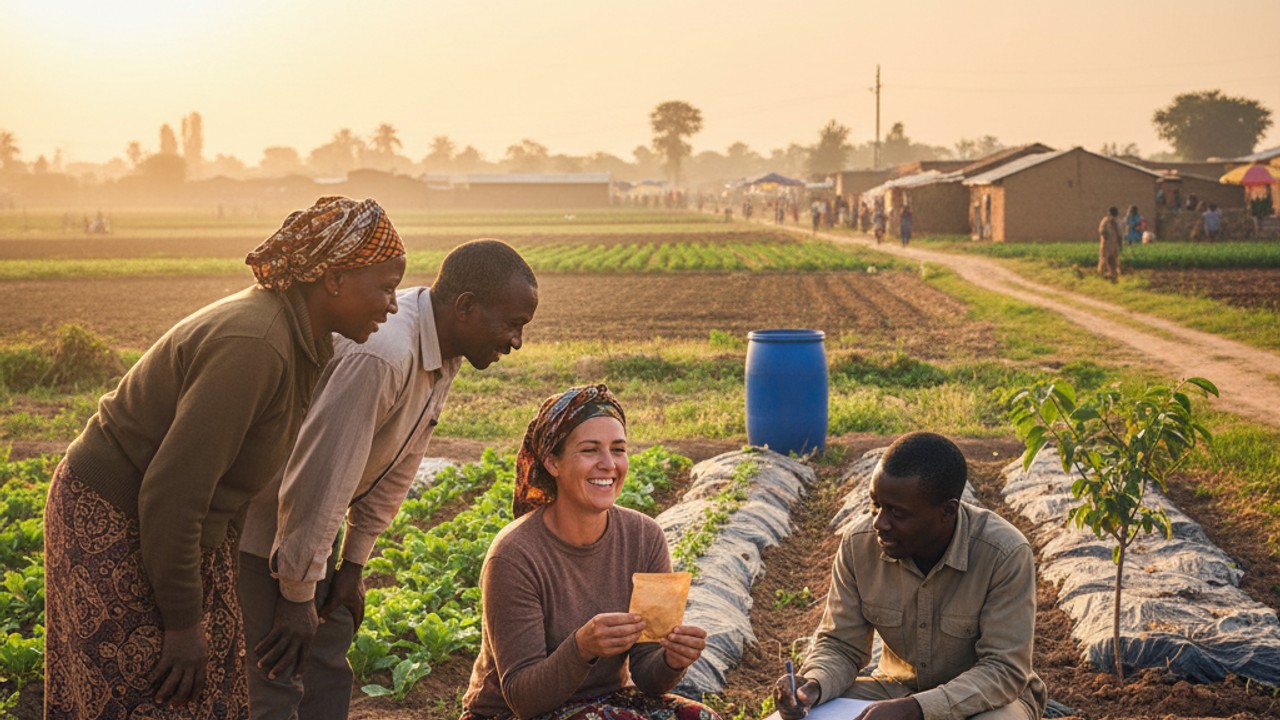
Imagine a woman named Asha who rises before dawn to feed her children, carry water, and tend a half-acre plot that must feed a family and produce a little income. Climate shocks and market disruptions mean seeds sometimes fail, and when they do, hunger is not an abstract statistic—it is the empty bowl at a table. Yet Asha's village is also where community-led programs are bringing change: improved seeds, training in climate-smart practices, and access to markets.
Why this matters now
Child nutrition and long-term wellbeing are on the line. According to UNICEF and partners, hundreds of millions of children worldwide are affected by malnutrition in its many forms. The joint global estimates and data portals highlight persistent child stunting and wasting that demand integrated responses. See UNICEF data: UNICEF Nutrition Data.
Environmental stressors are amplifying food insecurity: erratic rains, floods and droughts reduce yields and push vulnerable families into debt or migration. Organizations such as the World Food Programme have underscored how climate shocks are now a central driver of hunger; learn more at WFP on Climate and Hunger.
Real organizations, real impact
Nonprofits and social enterprises are demonstrating what works. One Acre Fund supports smallholder farmers with seed, training and market access so families can increase harvests and build resilience. Heifer International promotes livestock and agroecology to improve incomes and nutrition. These groups combine resource access, nutrition education and sustainable land practices to address several causes at once.
"When communities gain access to seeds, training and markets, hunger becomes solvable."
What the evidence shows
Food loss and waste matter. The FAO estimates that around one third of food produced for human consumption is lost or wasted globally, a reminder that policy and consumer action can free up food to feed people rather than landfills. Source: FAO on Food Loss and Waste.
Sustainable and nature-based solutions are also powerful: conserving watersheds, restoring soils and using agroforestry improve long-term yields and biodiversity. Learn how conservation connects to food by exploring The Nature Conservancy's work: Nature-based Solutions.
How you can act today
- Donate or partner: Small contributions to groups like One Acre Fund or local food banks amplify impact.
- Reduce waste: One third of food is lost or wasted; plan meals, buy imperfect produce, and support grocery recovery programs (FAO).
- Advocate for policy: Support social protection, climate finance, and farmer access to inputs and markets.
- Volunteer locally: Food distribution, community gardens, nutrition education and conservation volunteering have measurable results.
There is reason for hope. Community-driven programs, combined with smarter policies and conservation-minded agriculture, have a track record of raising yields, improving child nutrition and protecting landscapes. When donors, governments and neighbors act together, the empty bowl can become a full one.
Take one step today: visit a trusted nonprofit, volunteer at a local food bank, reduce household food waste, or support regenerative farming initiatives. Small actions compound into resilience for families like Asha's—and into systemic change that protects people and the planet.