When Amina walked three hours each morning to the community water point, she carried more than a jerrycan: she carried the quiet anxiety of a family deciding which child would eat first. That scene repeats across towns and fields from the Sahel to Central America; it is the human face behind global numbers.
Hunger is not abstract. It is a parent skipping a meal so a toddler can sleep with a full belly, a farmer watching a season fail after a drought, a family displaced by conflict with no safe kitchen.
What the data shows
The UN flagship report on food security, the State of Food Security and Nutrition in the World (SOFI 2023), shows how fragile global progress has become: rising hunger is driven by conflict, climate shocks and economic slowdowns. Read the report at FAO SOFI 2023. The World Food Programme continues to warn that millions face acute food insecurity and that humanitarian needs are growing; learn more at WFP Food Crisis overview.
These are not distant headlines. They are the context for Amina's village and for millions like her. Conflict displaces families, climate extremes destroy harvests, and inflation pushes basic staples out of reach. The result is a deepening cycle between poverty and food insecurity.
Who is stepping in
Non-profits, local movements and international agencies are on the front lines. Action Against Hunger delivers lifesaving nutrition programs and water systems in emergency zones. In the United States, Feeding America networks food banks that reach millions of households each year. And the World Food Programme coordinates large-scale food assistance in conflict and climate-affected regions.
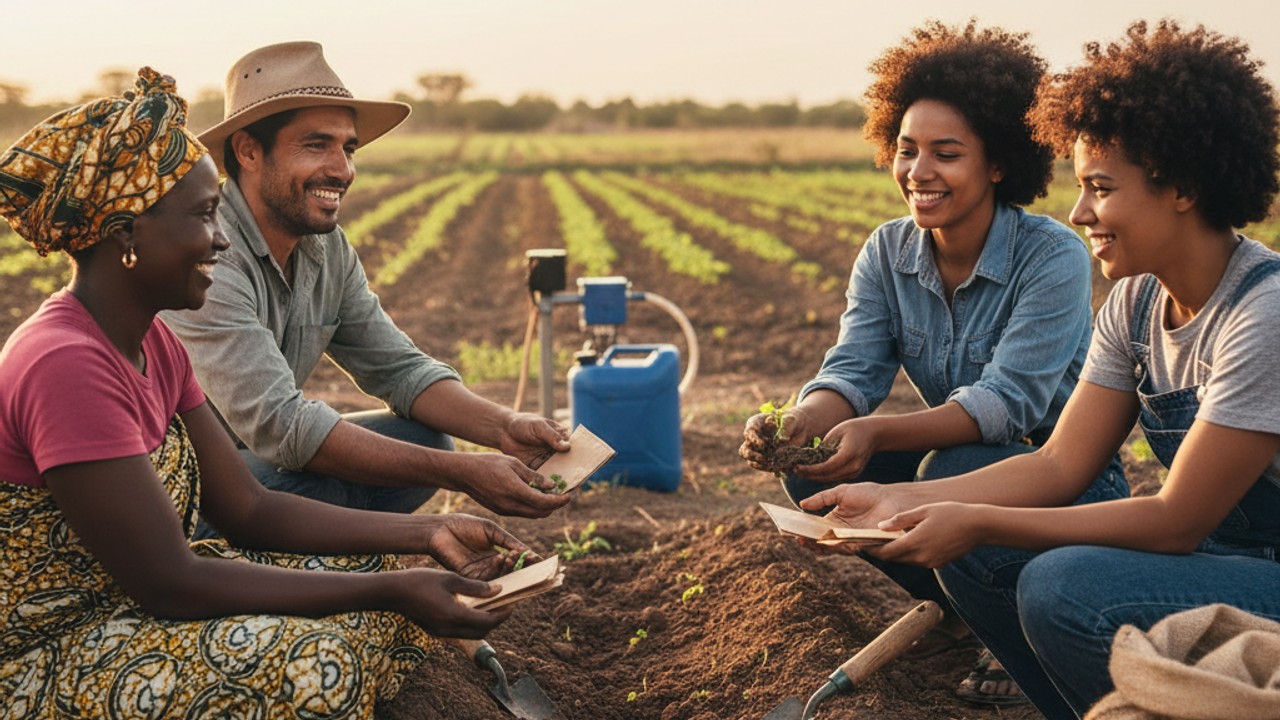
These organizations combine immediate relief with long-term efforts: restoring livelihoods, supporting smallholder farmers with drought-resistant seeds, and building local supply chains so communities can feed themselves.
A small list of actions that change outcomes
If Amina's morning walk stopped tomorrow, it would be because a system changed. You can help accelerate that change:
- Donate to trusted organizations that pair emergency response with resilience-building. See Action Against Hunger and WFP pages above.
- Support local food systems by buying from community markets or joining farm-share programs that strengthen smallholder incomes.
- Advocate for policy — urge leaders to invest in climate adaptation, social safety nets, and fair food trade that protects vulnerable producers.
- Volunteer or partner with food banks or social-justice groups addressing the root causes of poverty and hunger.
"A meal is not charity; it is dignity restored one plate at a time."
That dignity is the promise of social justice: food is not merely a resource to be managed, it is a right to be respected. When communities receive predictable support and tools to rebuild, hope takes root.
We can be part of that hope. Start small: learn more from the links above, sign a petition supporting food-security funding, or give the equivalent of one week's groceries to a local pantry. Collective action scales: many small steps become big change.
For Amina and millions like her, justice means steady access to food, resilient livelihoods, and policies that protect the most vulnerable. Together, we can turn today's anxiety into tomorrow's harvests.