When Marine Corps veteran Marco returned to his hometown after a tour, he could fix a flooded basement in an afternoon but struggled to navigate job applications and local services. That gap between useful skills and accessible support is where communities and nonprofits step in, changing individual lives and entire neighborhoods.
Why this matters now: charitable giving and volunteer networks fuel critical work across education, support services, and veterans advocacy. The annual Giving USA report found nearly half a trillion dollars in U.S. charitable contributions in 2022, underscoring the power of private giving to amplify community solutions. See the report at Giving USA.
Recent facts and context
Data from the U.S. Department of Veterans Affairs and federal homelessness and labor resources make the challenge clear: veterans face unique risks during transitions, including mental health and housing instability. The VA publishes ongoing analyses of suicide prevention and veteran well-being; review the latest annual report at the VA website: VA National Veteran Suicide Prevention Annual Report (2022). For information on homelessness counts and trends, the HUD Exchange maintains up-to-date Point-in-Time data and resources: HUD Exchange.
Organizations turning service into solutions
Nonprofits are the bridge between skills and stability. Team Rubicon mobilizes veterans to serve in disaster response, creating purpose, connection, and practical training. Employment-focused nonprofits like Hire Heroes USA offer resume help and employer connections that turn military experience into civilian careers. Campus and peer networks like Student Veterans of America help veterans access education benefits and create supportive academic communities.
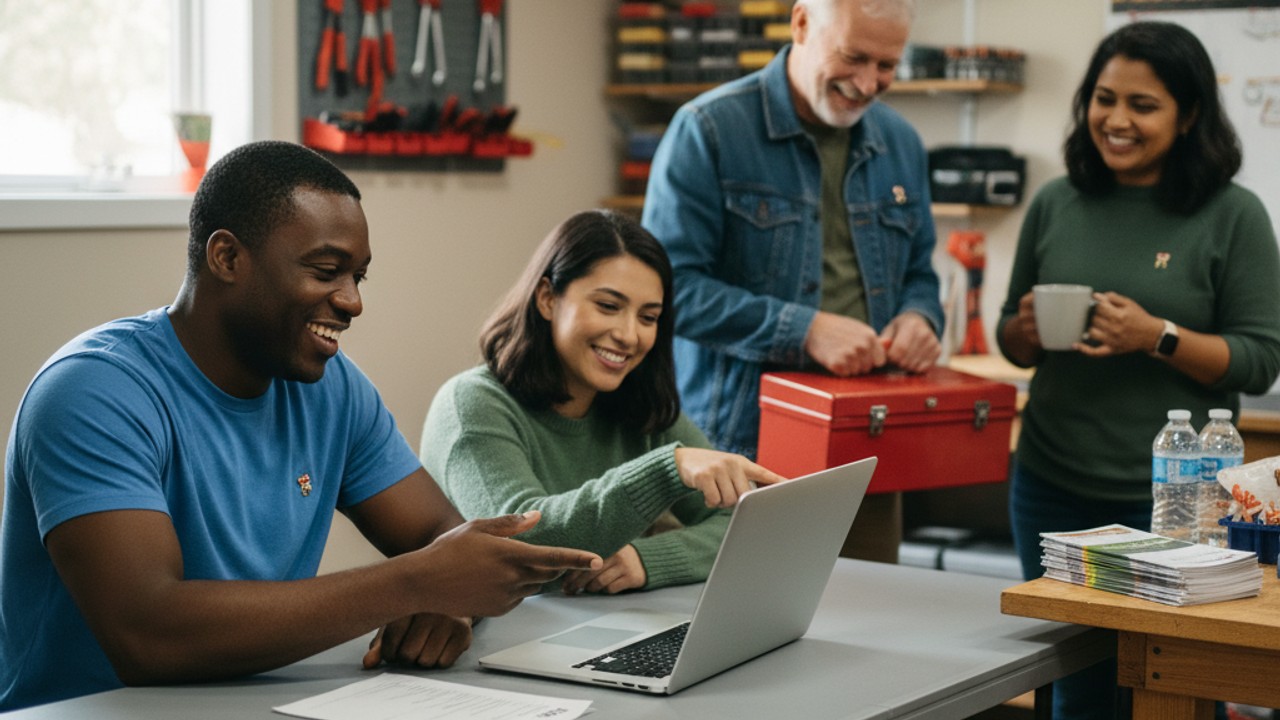
"When veterans volunteer together, neighborhoods rebuild — and veterans rebuild purpose."
What you can do today
Change is both large and small. Consider these concrete steps to support veterans and community resilience:
- Volunteer time with organizations that match veteran skills to community needs, such as Team Rubicon.
- Hire or mentor a veteran through local workforce programs or national groups like Hire Heroes USA.
- Support education by donating to or partnering with student-veteran groups that ease transitions back to campus: Student Veterans of America.
- Advocate for local funding for support services and housing; your city council and state representatives respond to informed constituents.
Every action matters. Whether you give an afternoon to clean up a home, offer an informational interview, or push for stronger local services, you help close the gap between service and stability.
Hope is practical: veterans bring resilience, leadership, and skills. When communities pair that talent with education, support services, and meaningful work, healing follows. Start today: find a nearby chapter, sign up as a mentor, or donate to an organization whose mission resonates. Small commitments build lasting safety nets.